
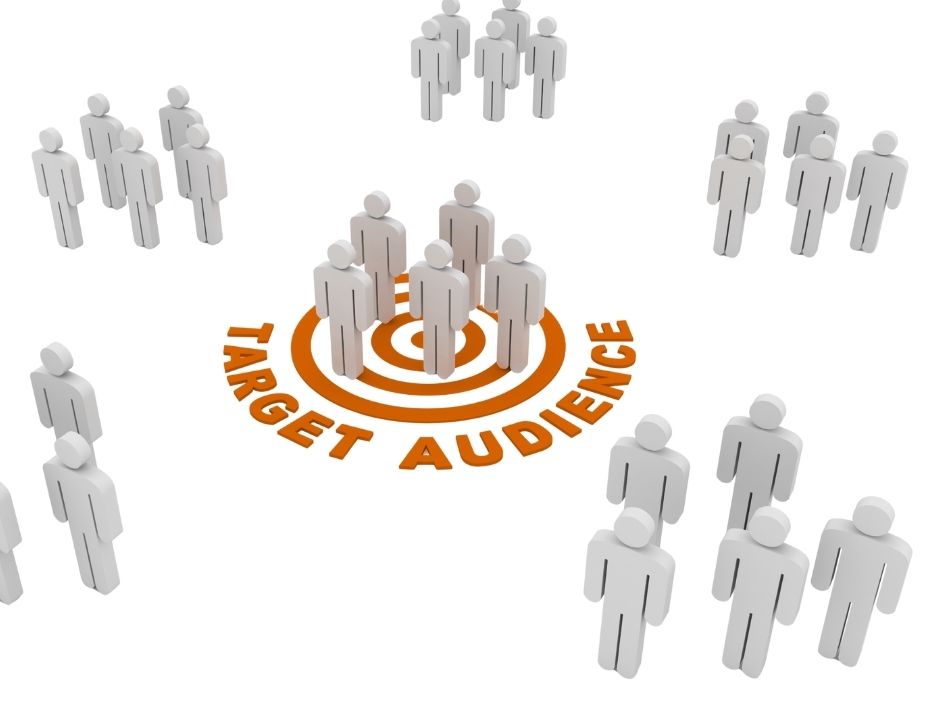
Understanding your target audience is the cornerstone of successful digital marketing. Without a deep knowledge of who your customers are, what they need, and how they behave, even the most creative campaigns will fall flat. In today’s competitive digital landscape, businesses that truly understand their target audience consistently outperform those that don’t.
Why Understanding Your Target Audience Matters
Your target audience represents the specific group of people most likely to purchase your products or services. These are the individuals who share common characteristics, pain points, and desires that align with what your business offers. When you understand your target audience deeply, you can create marketing messages that resonate, choose the right channels to reach them, and ultimately drive better results for your business.
The data speaks for itself: businesses that invest time in truly knowing their target-audience through detailed research and documentation consistently outperform competitors who rely on assumptions. This demonstrates the tangible impact of truly understanding your target-audience and tailoring your approach accordingly.
Step 1: Develop Detailed Buyer Personas
The foundation of understanding your target-audience begins with creating comprehensive buyer personas. These semi-fictional representations of your ideal customers should go beyond basic demographics to include psychographic information, behavioral patterns, and motivational factors.
Key Elements of a Strong Buyer Persona
When building personas for your target audience, include:
Demographics: Age, gender, location, income level, education, and occupation provide the basic framework for understanding who your target-audience is.
Psychographics: Values, interests, lifestyle choices, and personality traits reveal why your target audience makes certain decisions.
Behavioral Patterns: How does your target audience consume content? What devices do they use? When are they most active online? Understanding these patterns helps you reach your target-audience at the right time and place.
Pain Points and Challenges: What problems does your target-audience face that your product or service can solve? Identifying these pain points allows you to position your offering as the solution your target-audience needs.
Goals and Aspirations: What is your target-audience trying to achieve? Understanding their objectives helps you align your messaging with their ambitions.
Step 2: Conduct Comprehensive Market Research
Effective market research provides the data-driven insights needed to truly understand your target audience. Multiple research methods should be employed to build a complete picture.
Primary Research Methods
Surveys and Questionnaires: Direct feedback from your current customers and prospects within your target-audience provides invaluable insights. Ask specific questions about their preferences, challenges, and decision-making processes.
Interviews: One-on-one conversations with members of your target-audience offer depth that surveys cannot match. These qualitative insights reveal the nuances of how your target audience thinks and feels.
Focus Groups: Bringing together a small group from your target-audience encourages dynamic discussions that can uncover unexpected insights about attitudes and perceptions.
Secondary Research Methods
Industry Reports: Published research about your market segment helps validate your assumptions about your target audience and reveals broader trends.
Competitor Analysis: Study how competitors engage with similar target-audience segments. What messaging resonates? Which channels are they using? What gaps exist that you could fill?
Social Media Listening: Monitor conversations within your target-audience across social platforms. What topics generate engagement? What language does your target-audience use? What concerns do they express?
Step 3: Analyze Your Existing Customer Data
Your current customers are a goldmine of information about your target audience. By analyzing their characteristics and behaviors, you can refine your understanding and identify patterns.
Website Analytics
Tools like Google Analytics reveal how your target audience interacts with your digital properties. Examine metrics such as:
- Which pages attract the most visits from your target audience
- How long members of your target-audience spend on different pages
- What content leads your target-audience to convert
- What devices your target-audience uses most frequently
Customer Relationship Management (CRM) Data
Your CRM system contains detailed information about your target-audience’s journey from prospect to customer. Analyze purchase patterns, communication preferences, and the factors that influenced conversion decisions among your target audience.
Sales Team Insights
Your sales team interacts directly with your target-audience daily. Their observations about common questions, objections, and motivations provide practical insights that complement your quantitative data.
Step 4: Segment Your Target Audience
Not all members of your target-audience are identical. Effective segmentation allows you to tailor your approach to different subgroups within your broader target audience. Research shows that segmented email campaigns can drive a 760% increase in revenue when properly targeted to specific audience groups.
Common Segmentation Strategies
Demographic Segmentation: Divide your target-audience based on age, gender, income, or other demographic factors when these variables significantly influence purchasing behavior.
Geographic Segmentation: If your target-audience’s location affects their needs or preferences, segment accordingly. Regional cultural differences, climate, or local regulations may all impact how you should engage different portions of your target audience.
Behavioral Segmentation: Group your target-audience based on their actions, such as purchase history, engagement level, or product usage patterns. This approach helps you identify your most valuable target audience segments.
Psychographic Segmentation: Cluster your target-audience according to shared values, interests, or lifestyles. This sophisticated approach enables highly personalized messaging that resonates emotionally with your target audience.
Step 5: Map the Customer Journey
Understanding how your target audience moves from awareness to purchase is essential for effective digital marketing. Each stage of the journey requires different messaging and tactics.
The Stages Your Target Audience Travels
Awareness: At this stage, your target-audience recognizes they have a problem or need but may not know solutions exist. Content should educate your target-audience about their challenge.
Consideration: Now your target audience is researching potential solutions. Provide your target-audience with comparative information, case studies, and detailed product information.
Decision: Your target-audience is ready to choose a solution. Make it easy for your target-audience to understand why your offering is the best choice and remove any barriers to purchase.
Retention: After purchase, continue engaging your target-audience to build loyalty and encourage repeat business. Understanding what keeps your target-audience satisfied is crucial for long-term success.
Step 6: Leverage Social Media Insights
Social media platforms offer powerful tools for understanding your target-audience. With over 5.42 billion social media users worldwide, these platforms offer unprecedented opportunities to understand and engage your target audience. These channels provide direct access to conversations, preferences, and trends within your target-audience.
Platform-Specific Analytics
Each social media platform offers analytics that reveal how your target audience engages with your content. Facebook Insights, Twitter Analytics, LinkedIn Analytics, and Instagram Insights all provide data about your target-audience demographics, engagement patterns, and content preferences.
Community Engagement
Actively participate in online communities where your target-audience gathers. Reddit forums, Facebook groups, LinkedIn groups, and industry-specific platforms all offer opportunities to observe your target-audience in their natural habitat, discussing challenges and solutions candidly.
Step 7: Test and Refine Your Understanding
Your understanding of your target audience should evolve continuously. Regular testing and refinement ensure your marketing remains relevant as your target audience’s needs and behaviors change.
A/B Testing
Test different messages, offers, and creative approaches with segments of your target audience. The results reveal what resonates most strongly with your target audience and inform future campaigns.
Monitor Performance Metrics
Track key performance indicators specific to your target-audience engagement. Are you reaching the right segments of your target-audience? Is your target-audience taking desired actions? Which content drives the strongest response from your target-audience?
Stay Updated on Trends
Consumer behavior evolves constantly. Stay informed about broader trends affecting your target-audience, from technological adoption to cultural shifts that might impact how your target audience makes decisions.
Applying Your Target Audience Insights
Once you’ve developed a comprehensive understanding of your target-audience, apply these insights across all digital marketing activities.
Content Marketing
Create content that addresses the specific questions, challenges, and interests of your target-audience. Use the language your target audience uses and provide solutions to the problems your target-audience faces.
Paid Advertising
Target your advertising precisely to reach the right segments of your target-audience on the platforms they use most. Craft ad copy that speaks directly to your target audience’s motivations and pain points.
Email Marketing
Segment your email lists based on your target audience characteristics and behaviors. Personalize messaging to different target-udience segments for higher engagement and conversion rates.
Search Engine Optimization
Optimize for keywords your target audience actually searches for. Understanding search intent helps you create content that matches what your target-audience seeks when they turn to search engines.
Conclusion
Understanding your target audience is not a one-time exercise but an ongoing commitment to knowing your customers deeply. By developing detailed personas, conducting thorough research, analyzing data, and continuously testing and refining your approach, you create marketing that truly resonates with your target-audience.
The businesses that achieve the best digital marketing results are those that put their target audience at the center of every decision. When you understand who your target-audience is, what they need, and how they behave, you can create marketing experiences that feel personalized, relevant, and valuable.
Ready to transform your digital marketing with deeper target-audience insights?Connect with US today. Our team of experts specializes in comprehensive target-audience research and data-driven marketing strategies that deliver measurable results. Let us help you understand your target-audience better and achieve your digital marketing goals.